
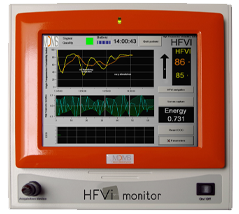

Adults and Pediatrics
The HFVi technology (High Frequency Variability Index) is an innovative technology that allows the assessment of the level of comfort in hospitalized patients.
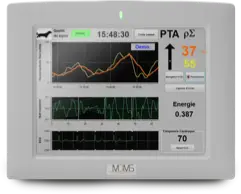

Veterinary
Our PTA technology (Parasympathetic Tone Activity) allows optimal management of analgesia during animal surgery, which induces a better revival and facilitates the animal recovery.

These technologies are being refined to enhance advanced care and safety for patients and caregivers.
Physicians can trust these technologies as effective for adults and neonates and patients of all ages.
250,000
Patient monitors
74
Countries
3,400
Devices
Videos
MDoloris Medical Systems presents HFVI (High Frequency Variability Index) technology
Testimonials
MDoloris technologies are used by top physicians around the world in both OR and ICU settings
"I use daily the ANI monitor during my opioid-free anesthesia to titrate the non-opioid analgesic drugs. It allows me to reduce the dexmedetomidine and lidocaine dosages, which results in a faster and better awakening process of the patient as hemodynamics do not always reflect the surgical stress of the patient"

Dr. Jan Paul J Mulier
"ANI offers the clinician the possibility to control vagal and parasympathetic activity in the operating room, critical care and perioperative setting in general. This is an important feature that we’ll be significantly more important in the future"

Dr. Pedro Gambus
"At the heart of Enhanced Recovery After Surgery (ERAS) programs is the reduction in surgical stress. Whilst there are many approaches to this (such as minimally invasive surgery) a key area is excellent pain control. The ANI monitor allows objective intraoperative assessment of analgesia, permitting titrated pain control, optimizing patient analgesia and comfort and thus minimizing the stress response"

Dr. Bill Fawcett
TAKE CONTROL
HFVi
PTA
Frequently asked questions
” – – – – – – – – – – “
What is pain?
“An unpleasant sensory and emotional experience associated with, or resembling that associated with, actual or potential tissue damage”
What is the nociception?
Nociception is a physiological response associated with the autonomic nervous system, it is the result of a stimulus (stress) caused by different factors such as injury, temperature, physical activity, startle, among others, and it can be perceived by any of the sensory states.
What are Sympathetic and Parasympathetic?
They are nervous subsystems associated with the autonomic nervous system to regulate the reactivity of the human body, the sympathetic system is responsible for maintaining a natural stress in the body producing inflammation, increased heart and respiratory rate, dilated pupils, among others, the objective of the sympathetic system is associated with the reaction "Fly or Figth" preparing the body to react to a stressful stimulus.
On the other side, the parasympathetic system is associated with the "Rest and Digest" effect and seeks cellular repair in the body and has anti-inflammatory effects, among its effects is systemic reactivation, reduction of heart rate and respiratory rate, muscle relaxation, and others.
What is Autonomic Nervous System (ANS)?
It is one of the subsystems that belong to the nervous system. This subsystem is responsible for controlling the involuntary actions of the body, such as breathing, heart rate, blood pressure, among others. In it, nervous stimuli from the organism are received to determine a reaction to them, which can result in involuntary changes in muscle tone, activation of glands and the regulation of some physiological systems.
What is General Anesthesia?
General anesthesia is a state of unconsciousness induced in the patient produced by different drugs, including hypnotics, muscle relaxants and analgesics, it is possible to use other types of drugs in this process depending on the patient's needs.
What is Opioid Free anesthesia (OFA)?
Opioid-free anesthesia (OFA) is a technique used in general anesthesia that aims to use different non-opioid analgesics (such as ketamine) to eliminate the use of opioids (such as fentanyl), these are indicated to reduce the nociceptive stimulus during a procedure.